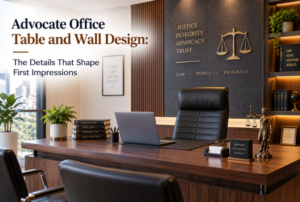
Advocate office table design and wall design shape a client’s first impression faster than almost anything else in the room, because a table signals authority and organisation while walls set the emotional tone before a single word is exchanged. Get both right and even a modest-sized office reads as established and trustworthy.
Most advocates spend their design budget on the big, obvious moves, like flooring, lighting, or furniture layout, and treat the table and the walls as an afterthought to fill in once everything else is decided. That’s backwards. Clients spend most of their consultation looking at exactly two things: the table between them and their advocate, and the walls surrounding that conversation.
Why Table and Wall Design Carry So Much Weight
A client sitting across a table for thirty minutes has nowhere else to look. The surface in front of them and the walls around them become the visual backdrop to one of the more stressful conversations they’ll have that month. That’s a lot of unspoken communication happening while you’re discussing case strategy or paperwork.
This is precisely why advocate office design briefs should treat table and wall choices as primary decisions, not finishing touches. They’re the two elements clients physically interact with or stare at for the longest stretch of time, which means they carry more weight per square foot than almost anything else in the space.
Choosing the Right Advocate Office Table Design
Table shape, material, and placement all send different signals, and getting this wrong is one of the most common mistakes in advocate office table design.
Shape matters more than most advocates expect. Research compiled by the American Psychological Association’s Practice Organization, cited in APA’s Monitor on Psychology, notes that round tables support better communication and a stronger sense of control for clients than square or rectangular ones. A round or oval consultation table softens the adversarial feel of a straight desk and encourages clients to open up more freely, which matters when you need complete, honest information from them.
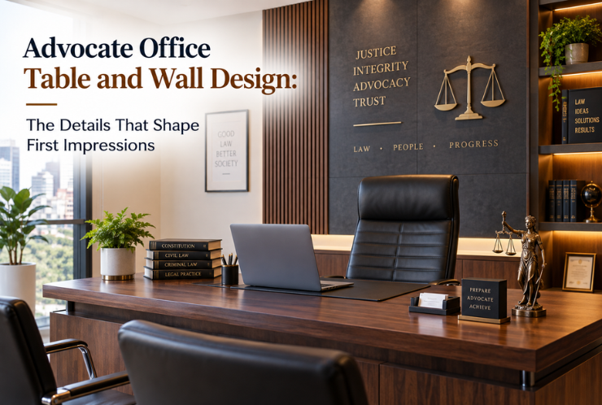
Material choice signals seniority. Solid wood or a quality veneer with a visible grain reads as established and permanent. Glass-top tables look contemporary but can feel cold and impersonal for sensitive legal conversations, so they work better in reception or waiting areas than in a consultation room.
Size and positioning need to match the room’s purpose. A personal cabin desk can be larger and positioned to face the door, which is a layout that projects quiet authority without a client feeling cornered. A shared consultation table should be smaller and more intimate, encouraging a collaborative posture instead of a confrontational one.
Keep the surface clear. A cluttered table with stacked files and loose paperwork undercuts every other design decision in the room. A clean surface with only what’s needed for that meeting reads as organised, which clients read as competent.
Lighting changes how a table reads just as much as the material does. A warm, focused pendant or downlight over the table draws the eye there first and avoids the harsh reflections that overhead fluorescent lighting creates on darker wood or any glossy finish. Getting this pairing right is a small, inexpensive adjustment that makes an otherwise ordinary table feel considered.
Advocate Office Wall Design Ideas That Add Credibility
If the table shapes how a conversation feels, the walls shape how the whole room feels, and advocate office wall design deserves just as much planning.
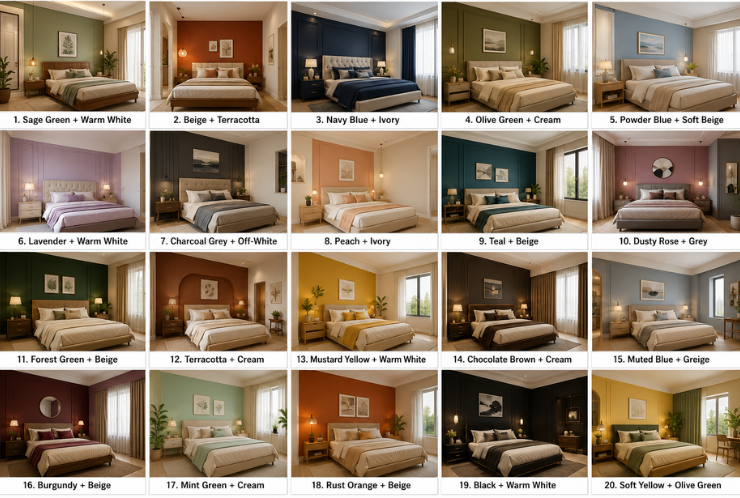
Color sets the emotional register. Deep blues, charcoal, and warm neutral tones consistently read as calm and serious in a legal setting, which is why they show up so often in professional-services interiors. Bright or busy colors tend to feel unserious for a practice built on discretion and precision.
Wood panelling adds gravitas without feeling heavy. A partial wood-slat wall behind the advocate’s chair, rather than floor-to-ceiling panelling, gives a sense of permanence while keeping the room from feeling dated or overly formal.
Credential walls work only when they’re restrained. A small, well-framed selection of bar memberships, degrees, or notable case recognitions carries more weight than a wall crowded with every certificate ever earned. Clutter reads as trying too hard, while a curated few pieces read as quietly confident.
A compact legal library shelf does real work. Even two or three shelves of case law volumes or legal texts, visible but not overwhelming, reinforces expertise in a way that feels earned rather than decorative.
Acoustic wall treatment protects the conversation, not just the aesthetics. Fabric panels or acoustic wall coverings in a consultation room reduce sound transfer to adjoining spaces, which supports the same confidentiality goals that shape the rest of a well-planned advocate office interior design.
Skip personal photography in client-facing rooms. Family photos or personal memorabilia belong in a private cabin, not a consultation room, where the wall should stay focused on projecting professional credibility rather than personal life.
Matching Table and Wall Design Across Reception, Cabin, and Consultation Room
Advocate office table design and wall design shouldn’t look identical in every room, because each space is doing a different job.
Reception can afford a slightly lighter table, perhaps glass or lighter wood, paired with a warmer, more welcoming wall treatment, since its job is to put a nervous client at ease before anything serious is discussed. The advocate’s personal cabin can lean into a heavier, more traditional table and a credential wall, since this is where authority and expertise need to come through clearly. The consultation room sits in between: a round or oval table, muted wall colors, and acoustic treatment, all working together to make sensitive conversations feel private and considered.
Keeping this distinction in mind prevents the common trap of designing one look and repeating it everywhere, which tends to make even a well-furnished office feel flat and undifferentiated.
Common Table and Wall Design Mistakes to Avoid
A handful of patterns repeatedly undercut otherwise solid advocate office design projects:
- Oversized rectangular desks in small consultation rooms, which make the space feel cramped and confrontational rather than considered.
- Bare, empty walls in client-facing rooms, which can read as unfinished or impersonal rather than minimalist.
- Mismatched wood tones between the table and any wall panelling, which makes a room feel unplanned even when every individual piece is high quality.
- Glass or high-gloss table tops in consultation rooms, which reflect overhead lighting and can feel uncomfortably exposed during sensitive discussions.
None of these require a major renovation to fix. Most come down to swapping one or two pieces and being more deliberate about how the table and walls work together as a single visual statement.
Getting the Details Right
Advocate office table design and wall design are easy to underestimate because neither feels as significant as the overall layout or the furniture budget. In practice, they’re often the two things a client looks at longest during every single visit. Getting the shape, material, and color choices right does more for perceived credibility than most bigger-ticket renovations.
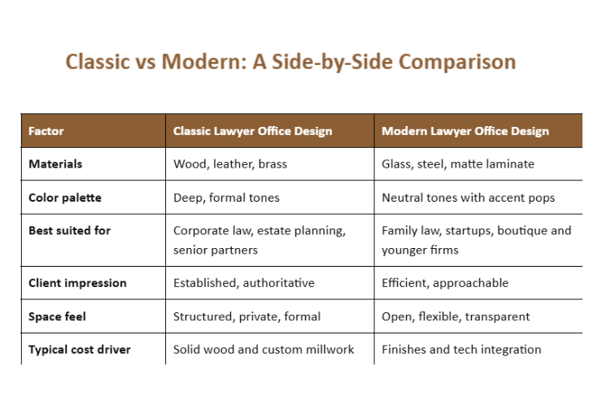
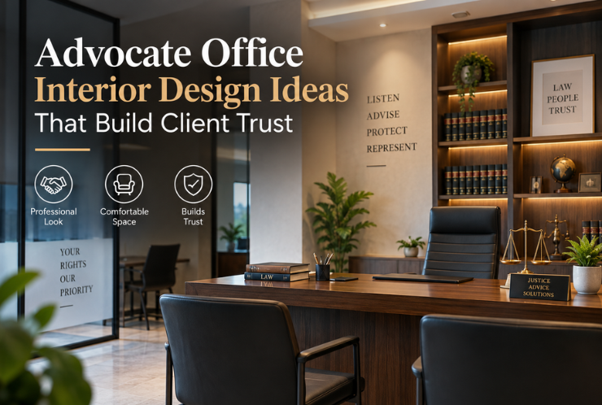
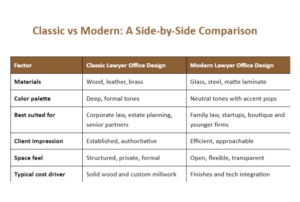
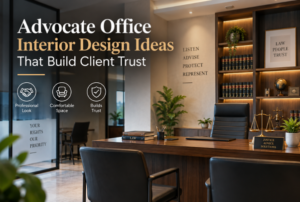
We’ve covered the broader trust-building principles behind these choices in our companion pieces, Classic vs Modern Lawyer Office Design: Which Style Suits Your Practice and Advocate Office Interior Design Ideas That Build Client Trust. If you’re planning a new office or refreshing an existing one, Espace N Design works with advocates and law practices across Kolkata to get these details right from the first sketch.
FAQs
1. What table shape works best for an advocate’s consultation room?
Round or oval tables generally work best, since they support easier conversation and give clients a stronger sense of control than a straight, confrontational desk layout.
2. What wall colors suit an advocate office?
Deep blues, charcoal, and warm neutrals are the most reliable choices for advocate office wall design, since they read as calm and serious without feeling cold or unwelcoming.
3. Should credential walls be in the reception area or the cabin?
The advocate’s personal cabin is usually the better spot, since a curated credential wall reinforces authority during a one-on-one conversation more effectively than a shared reception space where it can feel like general marketing.
4. Is wood panelling still relevant in modern advocate office design?
Yes, particularly as a partial feature wall rather than full panelling, since it adds warmth and permanence without making the space feel dated.
5. Does table material actually affect how clients perceive an advocate?
Yes. Solid wood or a quality veneer reads as established and serious, while glass or low-quality laminate can undercut an otherwise well-designed room, especially in a consultation setting where clients are paying close attention to every detail.